Monday, October 8, 2007
clip
I have had a few people ask about the clip that the syllabus says you are supposed to watch for class tomorrow (10/9). As I announced in class on Friday, that clip was removed from youtube so I had to remove it from the blog. I will show it to you in class tomorrow.
Thursday, October 4, 2007
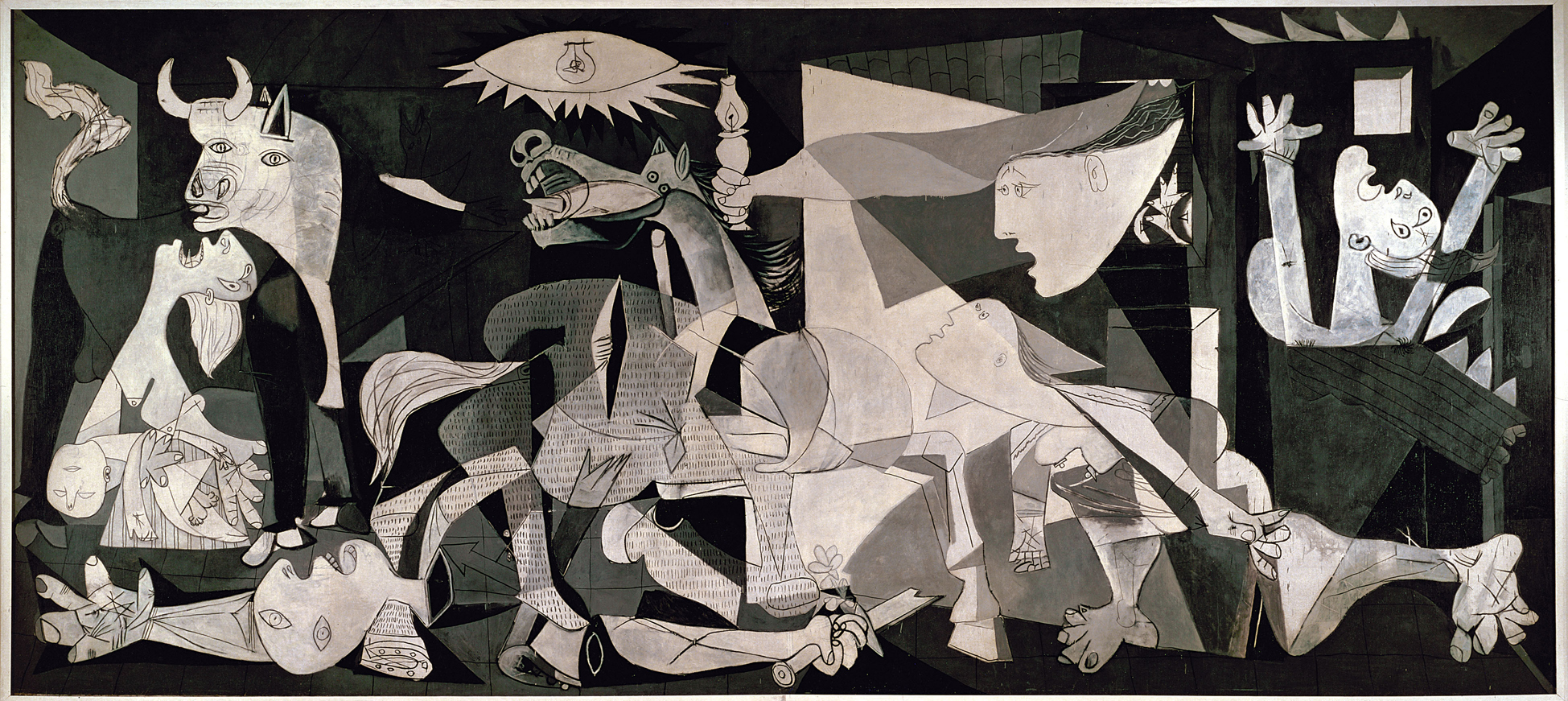

Art as an Expression of Argument painting selection 3

"La Liberte Guidant Le Peuple 28 Juillet 1830" ("Liberty Leading the People 28 July 1830") by Eugene Delacroix, 1830
Art as an Expression of Argument painting selection 4

"Judith Beheading Holofernes" by Artemisia Gentileschi, 1620
Sunday, August 26, 2007
Essay Prompts
Narrative Exploration Essay: DUE 9/19. ONE DRAFT ONLY.
Write a 4-5 page essay that describes an event or series of events in your life that gave you a new awareness of the world around you. Explain how and why the experience changed you.
The purpose of this assignment is to get you thinking about your own thoughts, speech, actions, and reactions and their relationship to the world around you. I want you to emphasize and utilize two main strategies in this essay. First, be descriptive. Describe the scene and your reaction so that some one who was not there can see and feel what you witnessed or experienced. Second, while describing the scene, also make sure that you answer that second part of the prompt—Why. Do not limit yourself in your examination, and, like your description of the scene, try to describe the answer to “why” in a way that helps your reader understand what you already know.
Annotated Bibliography for Research Essay: 1ST DRAFT 10/10, 2ND 10/26
Select a topic that interests you and that you would like to explore further. This is the only assignment for which you are given freedom to select your topic, so feel free to be creative. You will, however, need to defend the topic you have chosen in a reflective essay after you have compiled the bibliography, so choose a topic for which you can fashion a defendable thesis. I am not asking you to actually write a research essay. I want you to do everything leading up to the writing of that paper, so that you can develop the skills to do so in the future. I will be asking you to apply what you have learned about reliable and relevant sources to the next paper, Art as an Expression of Argument.
This assignment has two parts. First, compile an annotated bibliography that consists of at least 8 reliable sources that deal with the topic you have chosen. Two of the sources should have an argument or point that conflicts or disagrees with an argument or point expressed in the other sources. Follow the format for annotated bibliographies we will have discussed at length in class.
Second, write a 2-3 page paper explaining what your potential theses for the research essay would have been if you had to write one. Then explain what your two strongest points would have been and what problems you may have come across as you wrote the paper.
Art as an Expression of Argument: 1ST DRAFT 11/5, 2ND 11/19
Write a 6-7 page essay that explores how one of the following pieces of art expresses a political or cultural argument:
• Guernica by Pablo Picasso, 1937
• Flexible by Jean-Michel Basquiat, 1984
• Judith Beheading Holofernes by Artemisia Gentileschi, 1620
• Liberty Leading the People 28 July 1830 by Eugene Delacroix, 1830
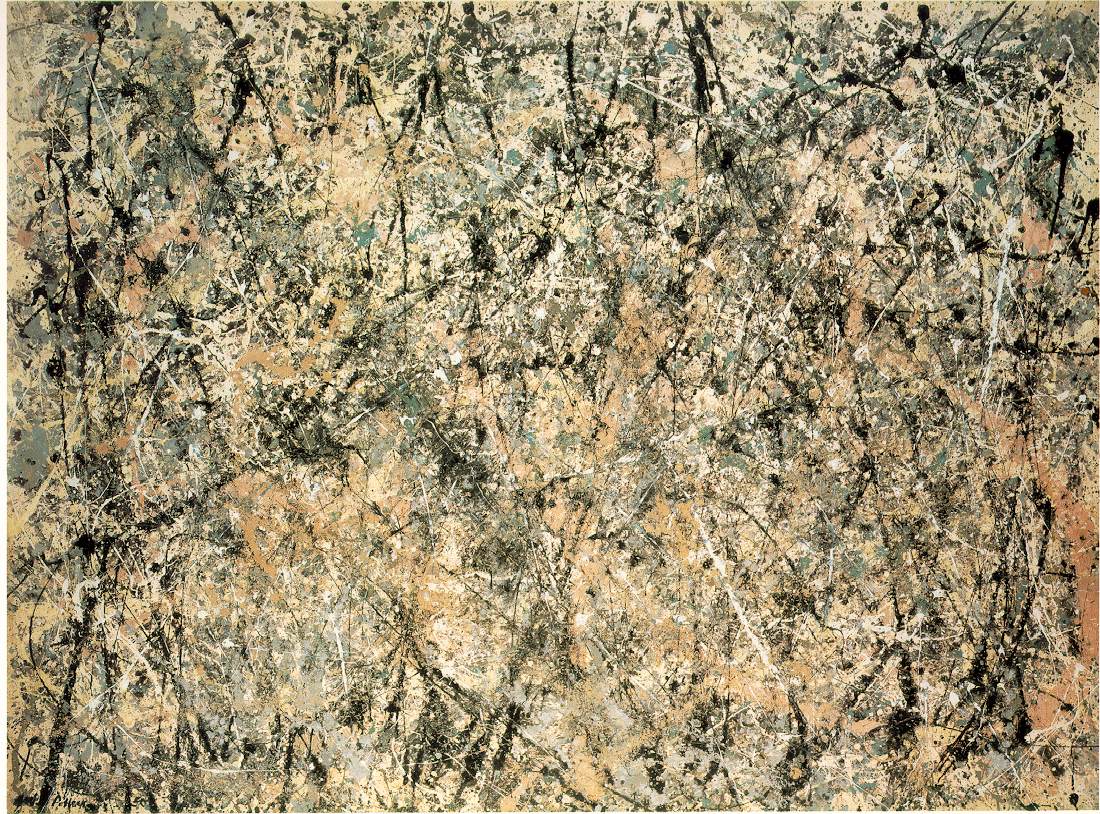
• Number 1 by Jackson Pollock, 1948
Select 1 or 2 basic elements of the art work—the colors that are used, the subject of the painting, the title, how realistic or distorted the lines and figures in the painting are, etc.—and explain how the artist may have been trying to use those elements to express a political or cultural argument. You will need to do some research for this assignment to discover what the political and cultural background of the artist and his or her environment were. You need to have 2 reliable sources that discuss the political or cultural views of the artist or the society the artist comes from. You should use these sources as a sounding board for your ideas. Your citations should be in MLA style (see handout).
Color images of the artwork will be made available to you on this blog. You may choose an alternative work of art, but you will need to bring me a copy of the piece and your ideas before the thesis is due for approval.
The purpose of this assignment is to continue to build your ability to form and analyze argument. I want you not only to be able to make your own argument about what you believe the art is expressing, but also to be able to consider how an artist uses his or her tools to express an argument to an audience. You will also learn to use outside sources as tools for supporting your arguments. A thesis that makes a specific and strongly stated claim will be very important for this paper. Since we have discussed logical fallacies, I will also be paying attention to how sound your logic is for this paper. You will also be able to use some of those great descriptive techniques you developed when writing your narrative essay to describe the elements of the painting you choose.
Letter to Senator or Editor: 1ST DRAFT 11/28, 2ND 12/7
Write a 2-3 page letter to one of your government representatives or to an editor of a newspaper or news magazine (I am not talking Pet Fancy , here. You will need to choose a news source that you can write to about a current political issue). You can choose an issue from one of the readings from our reader or from a current news article that interests you.
Now that you have learned how to present an idea, argue an idea, and support an idea, it is time to apply those skills some place in the real world. I want you to use the tools that we have discussed in class (pathos, ethos, logos, etc.) to persuade another person of your point of view on an issue that matters to you. You will be graded on how well you can apply our class discussions on argument in the letter and on how well you consider your audience. This assignment will also teach you how to write a formal letter—an important skill for the career and business worlds, and also lays the foundation for your becoming responsible and active citizens. Welcome to the world of knowledge as power
Write a 4-5 page essay that describes an event or series of events in your life that gave you a new awareness of the world around you. Explain how and why the experience changed you.
The purpose of this assignment is to get you thinking about your own thoughts, speech, actions, and reactions and their relationship to the world around you. I want you to emphasize and utilize two main strategies in this essay. First, be descriptive. Describe the scene and your reaction so that some one who was not there can see and feel what you witnessed or experienced. Second, while describing the scene, also make sure that you answer that second part of the prompt—Why. Do not limit yourself in your examination, and, like your description of the scene, try to describe the answer to “why” in a way that helps your reader understand what you already know.
Annotated Bibliography for Research Essay: 1ST DRAFT 10/10, 2ND 10/26
Select a topic that interests you and that you would like to explore further. This is the only assignment for which you are given freedom to select your topic, so feel free to be creative. You will, however, need to defend the topic you have chosen in a reflective essay after you have compiled the bibliography, so choose a topic for which you can fashion a defendable thesis. I am not asking you to actually write a research essay. I want you to do everything leading up to the writing of that paper, so that you can develop the skills to do so in the future. I will be asking you to apply what you have learned about reliable and relevant sources to the next paper, Art as an Expression of Argument.
This assignment has two parts. First, compile an annotated bibliography that consists of at least 8 reliable sources that deal with the topic you have chosen. Two of the sources should have an argument or point that conflicts or disagrees with an argument or point expressed in the other sources. Follow the format for annotated bibliographies we will have discussed at length in class.
Second, write a 2-3 page paper explaining what your potential theses for the research essay would have been if you had to write one. Then explain what your two strongest points would have been and what problems you may have come across as you wrote the paper.
Art as an Expression of Argument: 1ST DRAFT 11/5, 2ND 11/19
Write a 6-7 page essay that explores how one of the following pieces of art expresses a political or cultural argument:
• Guernica by Pablo Picasso, 1937
• Flexible by Jean-Michel Basquiat, 1984
• Judith Beheading Holofernes by Artemisia Gentileschi, 1620
• Liberty Leading the People 28 July 1830 by Eugene Delacroix, 1830
• Number 1 by Jackson Pollock, 1948
Select 1 or 2 basic elements of the art work—the colors that are used, the subject of the painting, the title, how realistic or distorted the lines and figures in the painting are, etc.—and explain how the artist may have been trying to use those elements to express a political or cultural argument. You will need to do some research for this assignment to discover what the political and cultural background of the artist and his or her environment were. You need to have 2 reliable sources that discuss the political or cultural views of the artist or the society the artist comes from. You should use these sources as a sounding board for your ideas. Your citations should be in MLA style (see handout).
Color images of the artwork will be made available to you on this blog. You may choose an alternative work of art, but you will need to bring me a copy of the piece and your ideas before the thesis is due for approval.
The purpose of this assignment is to continue to build your ability to form and analyze argument. I want you not only to be able to make your own argument about what you believe the art is expressing, but also to be able to consider how an artist uses his or her tools to express an argument to an audience. You will also learn to use outside sources as tools for supporting your arguments. A thesis that makes a specific and strongly stated claim will be very important for this paper. Since we have discussed logical fallacies, I will also be paying attention to how sound your logic is for this paper. You will also be able to use some of those great descriptive techniques you developed when writing your narrative essay to describe the elements of the painting you choose.
Letter to Senator or Editor: 1ST DRAFT 11/28, 2ND 12/7
Write a 2-3 page letter to one of your government representatives or to an editor of a newspaper or news magazine (I am not talking Pet Fancy , here. You will need to choose a news source that you can write to about a current political issue). You can choose an issue from one of the readings from our reader or from a current news article that interests you.
Now that you have learned how to present an idea, argue an idea, and support an idea, it is time to apply those skills some place in the real world. I want you to use the tools that we have discussed in class (pathos, ethos, logos, etc.) to persuade another person of your point of view on an issue that matters to you. You will be graded on how well you can apply our class discussions on argument in the letter and on how well you consider your audience. This assignment will also teach you how to write a formal letter—an important skill for the career and business worlds, and also lays the foundation for your becoming responsible and active citizens. Welcome to the world of knowledge as power

Syllabus
English Composition 101, Fall 2007
MWF 8:30-9:20, Krug Hall 209 (section 002)
MWF 9:30-10:20, Innovation Hall 209 (section 004)
Instructor: Danika Stegeman Office: Robinson A 468
Contact: dstegema@gmu.edu Office Hours: MW 10:30-12:00
Course Overview:
This course is designed to help you read, write, and think at a college level. Part of being a college student is becoming aware of the world of ideas around you. During the semester, you will learn to use writing and reading as tools for exploring and reflecting on our own ideas to contribute to the global community. In order to persuade and inform your own readers, you will develop critical reading, argumentation, and research strategies to support your writing. English 101 also exposes writing as a rhetorical process; you will explore beneficial ways to break down writing tasks into smaller steps such as generating and organizing ideas, investigating your topic, creating early drafts, seeking feedback from your peers, and revising. You will also improve your ability to adapt your writing to the needs of an audience or situation, and your ability to revise and edit your own writing. Ultimately, when you leave at the end of the semester, you will be equipped with the skills and awareness needed to enter the academic and global arenas of life.
Required Texts:
• Johnson, June Global Issues, Local Arguments
• Trimble, John R. Writing with Style: Conversations on the Art of Writing (2nd Edition)
Course Requirements:
Your grade in the course will be based on your writing, both for formal assignments and in-class assignments. A large portion of what you learn will take place during class discussion and in-class exercises. As a result, it is essential that you come to class prepared to discuss the material. You will be expected to contribute to class discussion and actively participate in group activities.
Blog:
This course has both a blog to accentuate your learning experience. Assignment prompts, the syllabus, some readings in addition to those found in your textbooks, and reminders about in class assignments can be found at:
http://stegeman101.blogspot.com/
I am not asking you to post anything—I am sure you have enough blog-posting activity outside of class work—so you will not need to have a username. Just look at the blog when instructed or when you have lost a paper copy of something or don’t know what is due for class.
Grading: Due:
Narrative Exploration Essay 20% 9/19
Annotated Bibliography for Research Essay 20% 10/10, 10/26
Art as an Expression of Argument Essay 25% 11/5, 11/19
Letter to Senator or Editor 15% 11/28, 12/7
Class participation/weekly assignments 10%
Student-led discussion 10%
You will earn an A (4.0), A- (3.67), B+ (3.33), B (3.0), B- (2.67), C+ (2.33), C (2.0), or NC (no credit). You must earn a grade of C or higher to complete the 101 requirement. If you earn an NC, you will have to retake Engl 101, but a grade of NC will not affect your GPA.
Essays:
A prompt describing each essay and what you are expected to write will be handed out before the paper is due. If you like to work ahead, all of the prompts for the essays you are assigned can be viewed on the blog.
Class participation/weekly assignments:
In addition to weekly short writing assignments, indicated on the syllabus and viewable on the blog under the “Write” heading near the top, right-hand side of the blog, I will be giving you quizzes to make sure you do the assigned readings (also listed on the blog under “Read”). p.s., I am a huge fan of pop quizzes.
Student-led discussions:
You will be required to present on one of the topics listed in the course schedule as “101” that are highlighted in green. You will be in charge of researching and becoming the expert on that topic so that you can explain it in an interesting manner to the rest of the class. You may work in groups of 2 to 3. I will have a sign-up sheet that lists all of the topics for you to select in the first week of class. I will give a sample presentation for the first week, “Thesis Statements 101,” so that you will have an idea of what a presentation should look like. You will be graded by me and reviewed by your peers, so be sure to prepare and do your best work.
Late Assignment Policy:
Turn your assignments in on time. Late assignments will be accepted only in case of emergency or other serious extenuating circumstances. If you need to turn an assignment in late and you have a valid excuse, you will need to contact me via e-mail to explain.
Attendance Policy:
Show up for class. A significant portion of your grade depends upon your showing up for class and participating. Attendance will be taken daily. As with late assignments, if you must miss class due to an emergency or other situation that is beyond your control, you must contact me via e-mail and explain the reason for your absence.
Plagiarism:
According to the English Department’s Statement on Plagiarism:
Plagiarism means using the exact words, opinions, or factual information from another person without giving that person credit. Writers give credit through accepted documentation styles, such as parenthetical citation, footnotes or endnotes; a simple listing of books and articles is not sufficient. Plagiarism is the equivalent of intellectual robbery and cannot be tolerated in an academic setting.
Don’t plagiarize. There will be consequences, I assure you.
Writing Center:
The Writing Center is a free service for GMU students. Tutors in the Writing Center can work one-on-one with you at any stage of your writing process. Though they will not merely proofread your papers or serve as an editor for your paper, they can help you find ways to develop and improve your writing. You are encouraged to take advantage of their services. The Writing Center is located in Robinson A114. Phone: 3-1200 Website: http://writingcenter.gmu.edu
Accommodation for Students with Disabilities:
If you have a disability documented with the Disability Resource Center that may affect your work in this course, please let me know as soon as possible. The Disability Resource Center is located in Sub I, Room 234, and the phone number is 3-2474
MWF 8:30-9:20, Krug Hall 209 (section 002)
MWF 9:30-10:20, Innovation Hall 209 (section 004)
Instructor: Danika Stegeman Office: Robinson A 468
Contact: dstegema@gmu.edu Office Hours: MW 10:30-12:00
Course Overview:
This course is designed to help you read, write, and think at a college level. Part of being a college student is becoming aware of the world of ideas around you. During the semester, you will learn to use writing and reading as tools for exploring and reflecting on our own ideas to contribute to the global community. In order to persuade and inform your own readers, you will develop critical reading, argumentation, and research strategies to support your writing. English 101 also exposes writing as a rhetorical process; you will explore beneficial ways to break down writing tasks into smaller steps such as generating and organizing ideas, investigating your topic, creating early drafts, seeking feedback from your peers, and revising. You will also improve your ability to adapt your writing to the needs of an audience or situation, and your ability to revise and edit your own writing. Ultimately, when you leave at the end of the semester, you will be equipped with the skills and awareness needed to enter the academic and global arenas of life.
Required Texts:
• Johnson, June Global Issues, Local Arguments
• Trimble, John R. Writing with Style: Conversations on the Art of Writing (2nd Edition)
Course Requirements:
Your grade in the course will be based on your writing, both for formal assignments and in-class assignments. A large portion of what you learn will take place during class discussion and in-class exercises. As a result, it is essential that you come to class prepared to discuss the material. You will be expected to contribute to class discussion and actively participate in group activities.
Blog:
This course has both a blog to accentuate your learning experience. Assignment prompts, the syllabus, some readings in addition to those found in your textbooks, and reminders about in class assignments can be found at:
http://stegeman101.blogspot.com/
I am not asking you to post anything—I am sure you have enough blog-posting activity outside of class work—so you will not need to have a username. Just look at the blog when instructed or when you have lost a paper copy of something or don’t know what is due for class.
Grading: Due:
Narrative Exploration Essay 20% 9/19
Annotated Bibliography for Research Essay 20% 10/10, 10/26
Art as an Expression of Argument Essay 25% 11/5, 11/19
Letter to Senator or Editor 15% 11/28, 12/7
Class participation/weekly assignments 10%
Student-led discussion 10%
You will earn an A (4.0), A- (3.67), B+ (3.33), B (3.0), B- (2.67), C+ (2.33), C (2.0), or NC (no credit). You must earn a grade of C or higher to complete the 101 requirement. If you earn an NC, you will have to retake Engl 101, but a grade of NC will not affect your GPA.
Essays:
A prompt describing each essay and what you are expected to write will be handed out before the paper is due. If you like to work ahead, all of the prompts for the essays you are assigned can be viewed on the blog.
Class participation/weekly assignments:
In addition to weekly short writing assignments, indicated on the syllabus and viewable on the blog under the “Write” heading near the top, right-hand side of the blog, I will be giving you quizzes to make sure you do the assigned readings (also listed on the blog under “Read”). p.s., I am a huge fan of pop quizzes.
Student-led discussions:
You will be required to present on one of the topics listed in the course schedule as “101” that are highlighted in green. You will be in charge of researching and becoming the expert on that topic so that you can explain it in an interesting manner to the rest of the class. You may work in groups of 2 to 3. I will have a sign-up sheet that lists all of the topics for you to select in the first week of class. I will give a sample presentation for the first week, “Thesis Statements 101,” so that you will have an idea of what a presentation should look like. You will be graded by me and reviewed by your peers, so be sure to prepare and do your best work.
Late Assignment Policy:
Turn your assignments in on time. Late assignments will be accepted only in case of emergency or other serious extenuating circumstances. If you need to turn an assignment in late and you have a valid excuse, you will need to contact me via e-mail to explain.
Attendance Policy:
Show up for class. A significant portion of your grade depends upon your showing up for class and participating. Attendance will be taken daily. As with late assignments, if you must miss class due to an emergency or other situation that is beyond your control, you must contact me via e-mail and explain the reason for your absence.
Plagiarism:
According to the English Department’s Statement on Plagiarism:
Plagiarism means using the exact words, opinions, or factual information from another person without giving that person credit. Writers give credit through accepted documentation styles, such as parenthetical citation, footnotes or endnotes; a simple listing of books and articles is not sufficient. Plagiarism is the equivalent of intellectual robbery and cannot be tolerated in an academic setting.
Don’t plagiarize. There will be consequences, I assure you.
Writing Center:
The Writing Center is a free service for GMU students. Tutors in the Writing Center can work one-on-one with you at any stage of your writing process. Though they will not merely proofread your papers or serve as an editor for your paper, they can help you find ways to develop and improve your writing. You are encouraged to take advantage of their services. The Writing Center is located in Robinson A114. Phone: 3-1200 Website: http://writingcenter.gmu.edu
Accommodation for Students with Disabilities:
If you have a disability documented with the Disability Resource Center that may affect your work in this course, please let me know as soon as possible. The Disability Resource Center is located in Sub I, Room 234, and the phone number is 3-2474
Subscribe to:
Posts (Atom)